OTT vs CTV: Differences and Similarities, Explained
Melissa Yap | 6 Min Read
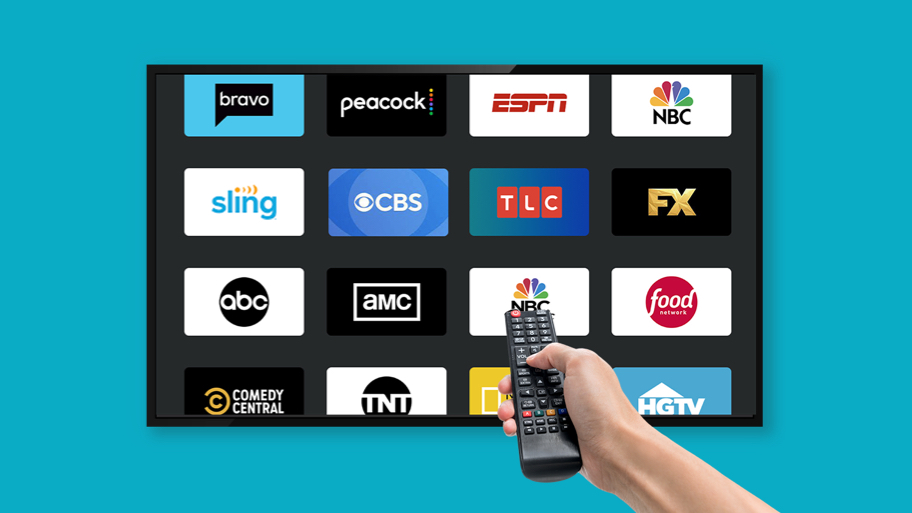
Streaming has officially moved from “nice-to-have” to “how TV gets watched.” Pew Research Center found that 83% of U.S. adults watch programming on streaming services, while just 36% subscribe to cable or satellite TV, and advertisers have followed the audience. In 2026, U.S. digital video ad spend is projected to surpass $80 billion, with Connected TV (CTV), online video, and social video driving the next phase of TV’s performance era.
But as streaming takes over the living room, the terminology can get fuzzy fast. Two acronyms in particular, OTT and CTV, are often used interchangeably. They are closely related, but they describe different pieces of the streaming ecosystem. Understanding the difference matters for marketers because it shapes how campaigns are bought, measured, optimized, and ultimately connected to business outcomes.
Let’s dive in.
What is Connected TV?
Connected TV (CTV) refers to internet-enabled television devices, such as smart TVs, streaming sticks, and gaming consoles, that allow users to access digital content beyond traditional cable. These devices serve as gateways to streaming platforms like Hulu, YouTube, and Netflix, where viewers consume content on the big screen.
How CTV Advertising Works
For advertisers, CTV offers a premium, brand-safe environment, like traditional TV advertising, with the targeting precision of digital marketing. Instead of relying on broad age-and-gender demos alone, marketers can reach more specific audiences based on factors like interests, behaviors, location, and purchase intent.
That makes CTV especially powerful for performance marketing campaigns. Advertisers can serve ads on the biggest screen in the house, then measure what happens next, whether that’s site visits, conversions, revenue, or ROAS. In other words, CTV brings TV advertising into the same performance conversation as paid search and paid social.
What is OTT?
Over-the-top (OTT) is the method of delivering video content over the internet, bypassing traditional cable or satellite providers. Streaming services like Disney+, Peacock, and HBO Max use OTT to distribute shows and movies across various devices, including mobile phones, tablets, and CTVs.
How OTT Advertising Works
In advertising, CTV vs OTT matters because CTV ensures ads appear on television screens, while OTT covers content delivery across multiple platforms. OTT ads can show up on a smart TV, but they can also appear on a laptop, tablet, or mobile phone — basically anywhere viewers stream internet-delivered video.
That makes OTT a broader category. It includes the streaming services and apps that deliver video content, while CTV refers specifically to the TV-screen experience. Put simply: all CTV is OTT, but not all OTT is CTV. For marketers, that distinction affects everything from creative format to audience targeting to measurement.
Benefits of CTV and OTT Advertising
CTV and OTT have redefined how audiences consume content, giving them more control over what, when, and how they watch. Here are a few of the notable advantages for marketers:
Higher Engagement and Recall
Audiences are no longer tied to network schedules, choosing what to watch on their own time. Ads land when attention is high, yielding completion rates often above 90% on CTV.
Precise Contextual Alignment
From live sports to niche streaming services, CTV and OTT offer something for everyone. For brands, this creates opportunities to increase conversions by aligning messaging with the right content.
Cross-Screen Reinforcement
Streaming content isn’t limited to the living room. Viewers switch between smart TVs, tablets, mobile devices, and gaming consoles seamlessly. This gives advertisers a way to reinforce messaging across multiple screens.
Access to Cord-Cutters and Incremental Reach
With CTV and OTT, viewers aren’t locked into cable contracts or channel bundles, making it easier than ever to cut the cord. Streaming advertising reaches this digitally native, high-value audience that skews younger and more affluent.
Granular Targeting and Attribution
Streaming platforms use viewer data to deliver personalized content recommendations, creating a more curated experience. First-party data, intent signals, and household-level insights enable hyper-accurate audiences.
Difference Between OTT and CTV
OTT and CTV are often used interchangeably, but there are subtle differences between the two, as we just discussed. In summary:
- OTT is the method of delivery that streams content across all devices, such as mobile and desktop.
- Connected TV is the device used (usually a smart TV) to view the OTT content.
Now, let’s break down how these differences manifest in the real world.
| Aspect | OTT (Over-the-Top) | CTV (Connected TV) |
|---|---|---|
| Devices and Screen Size | Any internet-connected device, including phones, tablets, desktops, and TVs | Television screens only, including smart TVs and streaming devices |
| Targeting and Data | Strong individual- and user-level targeting, especially across personal devices | Household-level targeting and insights based on TV viewing behavior, interests, shopping signals, and household-level data |
| Ad Formats, Skippability, and Engagement | Pre-roll, mid-roll, and post-roll formats; may include skippable, clickable, or interactive options depending on device and platform | Full-screen video ads that are typically non-skippable, with strong completion rates and co-viewing potential |
| Costs, Inventory, and ROI Potential | Often lower CPMs, broader reach, and flexible inventory across devices | Premium inventory generally comes at a higher cost, but can deliver stronger brand impact and measurable business results |
| Viewing Context and Audience Behavior | Lean-forward, personal, and multitask-friendly | Lean-back, immersive, and often communal |
| Measurement and Attribution | Easier cross-device tracking in some environments, but broader inventory can introduce higher fraud and viewability risk | Strong viewability and completion, but accurate attribution requires CTV-specific tools |
| Platforms | Streaming services and apps that deliver content over the internet, such as Hulu, Disney+, Peacock, Max, Paramount+, YouTube, Tubi, Pluto TV, Sling TV, and Fubo | Devices, operating systems, and TV environments used to watch streaming content on a television screen, such as Roku, Amazon Fire TV, Apple TV, Google TV, Samsung Smart TV, LG Smart TV, Xbox, and PlayStation |
1. Devices and Screen Size
The biggest difference between OTT and CTV is the viewing device. OTT content can appear almost anywhere: a phone during a commute, a tablet on the couch, a desktop at work, or a smart TV in the living room. That flexibility gives OTT a broad reach, but it also means the viewing experience can vary widely.
CTV is more specific. It refers to streaming content watched on television screens, whether through a smart TV, streaming stick, gaming console, or another connected device. For advertisers, that means a bigger canvas, a more immersive viewing environment, and a better shot at capturing focused attention.
2. Targeting and Data
OTT advertising can offer strong user-level targeting, especially when ads are served across personal devices. OTT targeting helps marketers reach users based on interests, behaviors, location, and past site activity, then retarget them across different digital touchpoints.
CTV targeting is often centered around the household. That makes sense: TV is usually a shared screen. Rather than thinking only about one user and one device, CTV lets advertisers match their message to household-level signals, viewing behavior, and purchase intent.
3. Ad Formats, Skippability, and Engagement
OTT ads can take several forms, including pre-roll, mid-roll, and post-roll placements. Depending on the platform and device, they may also be skippable, clickable, or interactive. That can make OTT useful for direct engagement, but performance can vary depending on the screen, format, and viewer behavior.
CTV ads are usually full-screen, sound-on, and non-skippable. That gives advertisers a more TV-like experience, with the added benefit of digital targeting and measurement. The result is an ad environment built for attention, recall, and co-viewing.
4. Costs, Inventory, and ROI Potential
OTT inventory is often broader and can come with lower CPMs, which makes it appealing for advertisers focused on reach, frequency, or efficient performance marketing across devices.
CTV inventory is typically more premium, and that can come with higher pricing. But the value is in the environment: a full-screen ad on a television set, often alongside premium streaming content, with the ability to measure outcomes beyond impressions. That combination can help advertisers connect big-screen storytelling to direct business results, from site traffic and conversions to revenue and ROAS.
Learn more about OTT and CTV advertising costs.
5. Viewing Context and Audience Behavior
OTT viewing is often more personal and more flexible. Someone might stream content on their phone while scrolling, checking email, or moving between tasks. That does not make OTT less valuable, but it does change how creative and measurement should be approached.
CTV is more of a lean-back experience. Viewers are usually watching on the biggest screen in the house, often from the couch, and often with other people. That combination of screen size, sound, and shared attention can help advertisers deliver messages that feel more memorable and more like TV in the best way.
6. Measurement and Attribution
OTT measurement can support cross-device tracking and retargeting, especially when the same user is active across multiple devices. But the broader the inventory pool, the more advertisers need to watch for fraud, viewability, and inventory-quality issues.
CTV measurement is different. Because ads are shown on a television screen, clicks are not usually the main signal. Instead, advertisers need attribution tools that connect TV exposure to downstream actions like site visits, conversions, revenue, and ROAS. That is why CTV-specific attribution matters: the right tools can help turn a traditionally awareness-driven channel into a measurable performance channel.
7. CTV and OTT Platforms
OTT platforms are the streaming services and apps that deliver video content over the internet. Examples include Hulu, Disney+, Peacock, Max, Paramount+, YouTube, Tubi, Pluto TV, Sling TV, and Fubo. Some focus on on-demand content, some offer live programming, and some do both.
CTV platforms are the devices, operating systems, and TV environments viewers use to watch that content on a television screen. Examples include Roku, Amazon Fire TV, Apple TV, Google TV, Samsung Smart TVs, LG Smart TVs, Xbox, and PlayStation. The overlap is where the terminology gets tricky: a viewer might open an OTT app like Hulu on a CTV device like Roku. For advertisers, the key question is whether the ad is being delivered across internet-connected devices broadly, or specifically on the biggest screen in the house.
Other Types of OTT Streaming
Now, we’ve already covered several acronyms in this post. But there are a few more subcategories of OTT streaming that you should understand before starting your advertising journey. Here are the main ones you’ll hear most often:
- Subscription Video on Demand (SVOD): Viewers pay a recurring fee for ad-free access to a library of content, like Netflix or Disney+.
- Advertising Video on Demand (AVOD): Free-to-watch platforms funded entirely by ads, such as Tubi or Pluto TV.
- Transactional Video on Demand (TVOD): Consumers rent or buy individual titles à la carte, think Apple TV or Amazon Prime Video purchases.
- Premium Video on Demand (PVOD): New-release movies available for home rental at a premium price shortly after (or instead of) theatrical runs.
Learn more about AVOD, SVOD, and TVOD.
Here are a couple of other terms that get thrown around:
- Free Ad-supported Streaming TV (FAST): Linear-style FAST channels stream over the internet at no cost to viewers, supported solely by advertising, like The Roku Channel or Samsung TV Plus.
- Virtual Multichannel Video Programming Distributors (vMVPD): Skinny-bundle live TV services delivered over the internet, such as YouTube TV or Hulu + Live TV.
Learn more about MVPD vs vMVPD.
Why You Need Performance TV
OTT and CTV both offer streaming ad opportunities, but only CTV ensures premium, high-impact placements with measurable results. MNTN Performance TV is built to help advertisers make the most of CTV’s advantages with these key features:
- Premium CTV Inventory: Access top-tier, ad-supported streaming networks, ensuring ads appear in brand-safe, high-engagement environments.
- MNTN Matched: AI-powered audience targeting finds the right viewers based on intent, demographics, and past behaviors.
- Verified Visits™: Track conversions by connecting CTV ad views to website visits, even across multiple household devices.
- Reporting Suite: Get real-time insights on reach, engagement, and lower-funnel performance, all in one intuitive dashboard.
- Automated Optimization: AI-driven adjustments optimize bidding, targeting, and frequency to maximize campaign efficiency and ROI.
CTV isn’t just an awareness channel—it’s a performance driver. Unlock its full potential with MNTN’s self-serve software—sign up today.
Connected TV vs OTT: Final Thoughts
OTT and CTV are closely related, but the difference matters: OTT explains how streaming content is delivered, while CTV defines where it’s watched. For marketers, that distinction shapes everything from creative strategy to targeting, measurement, and performance expectations. Get it right, and streaming TV becomes a lot less confusing and a lot more actionable.
Want a Closer Look?
Discover how Performance TV delivers revenue, conversions and more through the power of Connected TV. Request a demo today to speak to an expert.