Macro vs Micro Conversions: What’s the Difference?
The MNTN Team | 9 Min Read
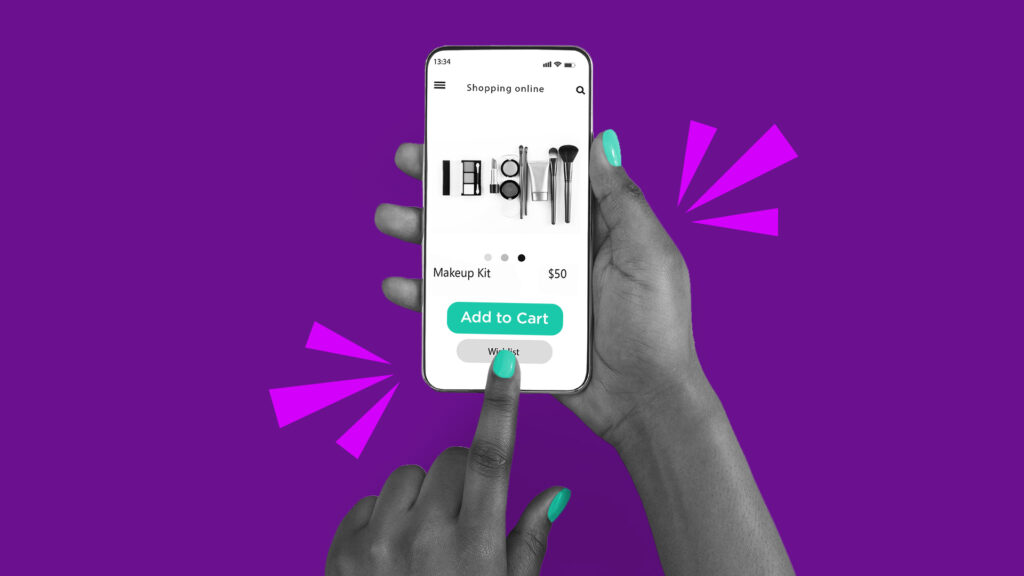
As performance marketers refine their 2025–2026 media plans, one truth remains: focusing only on bottom-funnel purchases can hide the real story behind campaign success. Smart brands now balance macro and micro conversions to capture the full customer journey.
This guide on macro vs. micro conversions lays out everything you need to know to understand your marketing goals and successes better.
What are Macro Conversions?
Macro conversions refer to the primary, business-critical actions you want customers to take. Think of them as the “north star” outcomes your campaigns are built around.
What you consider a macro conversion will differ based on your goal and your business. If you’re running a lead generation campaign, a macro conversion could be as simple as someone signing up for a webinar. Ultimately, macro conversions represent your primary goal – converting prospects into customers.
Importance of Macro Conversions
When people refer to conversion rates following ad campaigns, they are usually referring to macro conversions. By measuring how many people were prompted to take a specific action, you can understand your overall success rate.
Tracking macro conversions helps you:
- Evaluate overall campaign performance. You can quickly see which channels, audiences, and creatives are driving sales, leads, or subscriptions and which ones aren’t pulling their weight.
- Optimize for ROAS and CPA. By pairing conversion counts with media costs, you can calculate return on ad spend (ROAS), customer acquisition cost (CAC), or cost per lead (CPL) for each channel.
- Understand audience and offer fit. High macro-conversion rates often signal strong product–market fit, resonant messaging, or the right incentive for that audience.
- Spot underperformance quickly. If campaigns are driving clicks but not conversions, you know to investigate landing pages, checkout flows, pricing, or audience quality.
Examples of Macro Conversions
Macro conversions differ based on your goals and industry. Use these examples as a guide to set your conversion goals and key performance indicators.
- Making a purchase – customers adding products to their cart and completing a purchase is the ultimate macro conversion.
- Subscribing to a paid service – increase this macro conversion rate for a steady stream of revenue.
- Registering for an event – if you’re charging for an event, or if registrations are your ultimate campaign goal, this would be a macro conversion.
- Filling out a long-form lead generation form – this could be considered a macro or micro conversion based on your overall goal.
- Requesting a quote – when customers request a quote, it indicates that they are ready to buy.
- Signing up for a free trial – this is another example of a macro or micro conversion. Track it based on your ad campaign goals.
- Requesting a consultation – potential customers typically won’t sign up for a consultation unless they’re seriously considering your company.
- Downloading a white paper or e-book – these types of gated content are great for motivating potential customers to learn more.
- Upgrading to premium service – you can track this macro conversion for existing or new customers who opt for the premium service upfront.
- Donating to a charity or cause – if you’re a non-profit or your company is partnering with an organization, calculate donations as your macro conversions.
What are Micro Conversions?
Micro conversions are the smaller, early-stage actions people take that signal interest, engagement, and progression toward your primary goal. Think of a micro conversion the same way you would think of a warm lead. They may not be ready to buy now, but they are definitely interested in learning more about you.
Importance of Micro Conversions
Tracking micro conversions gives you a powerful layer of insight that pure “last-click” reporting can’t provide. With privacy changes and signal loss across browsers and mobile, these intermediate actions are increasingly useful for optimization and audience building.
Micro conversion tracking helps you:
- Understand on-site behavior. See which pages people visit, how they navigate, and where they drop off. This can highlight friction in your UX, gaps in content, or missed opportunities to guide users toward action.
- Identify high-value engagement. Actions like viewing pricing, using comparison tools, or returning multiple times within a week often indicate strong intent, even if the user hasn’t converted yet.
- Optimize campaigns before the sale. Instead of waiting for purchases (which might be infrequent or seasonal), you can use micro conversions as proxy signals to train algorithms and inform creative and audience decisions.
- Inform retargeting and nurture. Micro conversions are ideal triggers for retargeting: abandoned carts, repeat product views, or video completions can all power more personalized follow-up.
- Spot UX and checkout issues. If users add items to their cart but rarely complete checkout, or start a form but don’t submit it, that’s a clear prompt to review friction points like page speed, trust signals, or mobile usability.
Examples of Micro Conversions
Use these examples of micro conversions to set your campaign goals and most important marketing metrics.
- Clicking a link or button – people who click on links to products, content, or other parts of your website are interested in learning more about your brand.
- Adding a product to a cart – when someone abandons their cart, you can take steps to find out why and improve your checkout process.
- Subscribing to a newsletter – your newsletter subscribers are interested in engaging with you. Use your newsletter to build your credibility with potential customers.
- Watching a video – videos are a great source of content, and they can lead to more macro conversions.
- Filling out a form – this action could also be a macro conversion. Track it based on your overall campaign goal.
- Clicking to call or chat – potential customers who contact your support team may end up buying from you later.
- Adding a bookmark or favorite – when someone favorites your website, they are likely planning to come back.
- Following on social media – social media is another great way to foster a trusting relationship with your potential customers.
- Using a product comparison tool – potential customers at this stage are likely trying to see how you stack up against your competition.
- Checking store or product availability – maximize this micro conversion by making sure your inventory system is consistent and up to date.
Summary of Key Differences
While both macro and micro conversions signal progress, they play very different roles in how you plan, measure, and optimize performance.
Primary Goal & Business Impact
Macro: Directly tied to core business outcomes like revenue, pipeline, or subscription growth, making them the ultimate success metric.
Micro: Indicate interest and movement toward those outcomes, serving as leading indicators rather than end goals.
Funnel Stage & Time Horizon
Macro: Typically occur at the bottom of the funnel and may happen less frequently, often after multiple touchpoints over a longer period.
Micro: Show up throughout the upper-funnel and mid-funnel, happening more often and earlier as users explore and evaluate your brand.
Measurement & Optimization Use
Macro: Used to report on overall campaign performance, compare channels, and justify budget decisions at the business level.
Micro: Used to diagnose behavior, refine user experience and messaging, and train algorithms when macro conversion volume is limited.
Why You Need to Be in Alignment on Both
Measuring macro vs. micro conversions together gives you a better understanding of the customer journey from start to finish. By assessing which touchpoints are most successfully driving traffic to your site, you can have your marketing team focus on them.
If your marketing, product, and analytics teams don’t share a clear definition of macro and micro conversions, reporting quickly gets confusing. Aligning on both macro and micro conversions ensures that:
- Everyone knows the true north. Your macro conversions are clearly defined, reportable, and tied to business outcomes like revenue, pipeline, or customer lifetime value.
- Teams agree on leading indicators. Micro conversions are documented and prioritized based on how well they predict eventual macro conversions.
- Optimization is consistent across channels. Whether you’re running paid search, paid social, CTV advertising, or email, you can evaluate campaigns with a shared metric framework.
- Reporting tells a cohesive story. Instead of a pile of disconnected metrics, you can show how awareness leads to engagement, which leads to revenue, and where each channel fits.
How Connected TV Can Get the Ball Rolling
Want to understand how every action drives your marketing performance? Macro and micro conversions each play a distinct role in the customer journey, and MNTN’s platform helps you see how CTV influences both. With AI-powered targeting, automated optimization, and real-time attribution, you can connect early engagement to measurable revenue outcomes.
Here’s how MNTN Performance TV helps marketers track and impact both conversion types:
- Verified Visits™ Attribution – Reveals how CTV exposure contributes to micro behaviors (like product views) and macro outcomes (like purchases).
- Reporting Suite – Delivers real-time insight into engagement patterns, helping you understand the relationship between small actions and major conversions.
- Premium CTV Inventory – Places your brand on top streaming networks where high-quality audiences are most likely to respond.
- MNTN Matched – AI-powered targeting identifies viewers with the highest likelihood to take both incremental and high-value actions.
- Automated Optimization – Continuously adjusts television advertising campaigns to maximize the behaviors—big and small—that drive ROI.
Turn every conversion into a performance opportunity—sign up today to get started with MNTN’s self-serve software.
Macro vs. Micro Conversions: Final Thoughts
Macro conversions are the core actions that drive revenue, while micro conversions are the smaller signals that show how people move toward those outcomes. Tracking both together gives you a clearer view of what’s actually driving performance and where customers are getting stuck in the journey. Use that insight to invest in the right channels, remove friction, and build campaigns that turn more interest into measurable results.
Want a Closer Look?
Discover how Performance TV delivers revenue, conversions and more through the power of Connected TV. Request a demo today to speak to an expert.