OTT vs CTV: Differences and Similarities, Explained
Melissa Yap | 6 Min Read
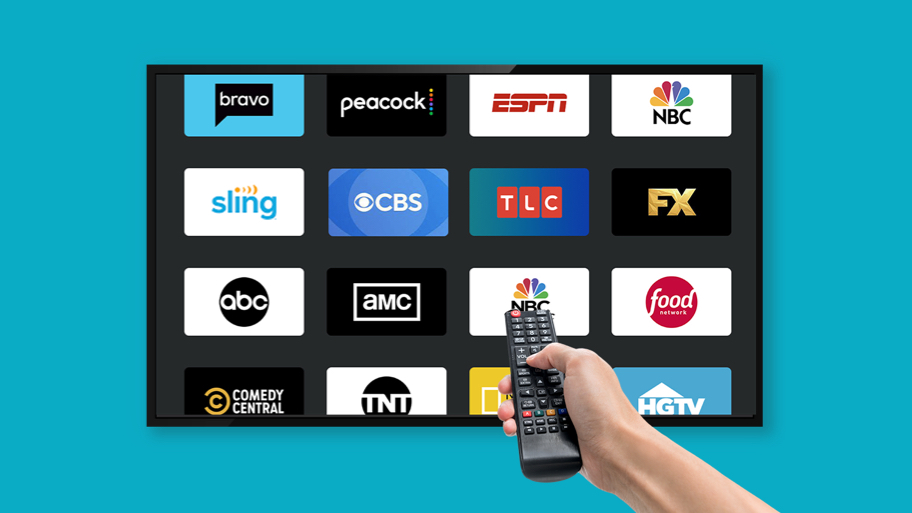
The rise of streaming has made the distinction between OTT and CTV one of the most important for modern marketers. With U.S. CTV ad spend projected to hit $38.3 billion by 2026 and 90% of U.S. households using CTV devices at least once a month, the line between the two isn’t just semantic. It’s strategic.
As ad-supported tiers dominate the streaming landscape, understanding how OTT and CTV differ helps marketers invest where performance matters most. Both deliver content over the internet, but their advertising capabilities and the way brands can leverage them are worlds apart.
Here’s everything you need to know about the difference between OTT and CTV.
What is Connected TV?
Connected TV (CTV) refers to internet-enabled television devices, such as smart TVs, streaming sticks, and gaming consoles, that allow users to access digital content beyond traditional cable. These devices serve as the gateway for streaming platforms like Hulu, YouTube, and Netflix, where viewers consume content on the big screen.
For advertisers, CTV offers a premium, brand-safe environment, like traditional TV advertising, with the targeting precision of digital marketing.
Take a look at this article for a list of popular CTV platforms.
What is OTT?
Over-the-top (OTT) is the method of delivering video content over the internet, bypassing traditional cable or satellite providers. Streaming services like Disney+, Peacock, and Max use OTT to distribute shows and movies across various devices, including mobile phones, tablets, and CTVs.
In advertising, CTV vs OTT matters because CTV ensures ads appear on television screens, while OTT covers content delivery across multiple platforms.
Take a look at this article for a list of popular OTT platforms.
What Is the Difference Between OTT and CTV?
OTT and CTV are often used interchangeably, but there are subtle differences between the two, as we just discussed. To put it simply:
- OTT is the method of delivery that streams content across all devices, such as mobile and desktop.
- Connected TV is the device used (usually a smart TV) to view the OTT content.
When it comes to viewing content on Connected TV, this can be done in two ways:
- Regular TVs connected to multimedia devices like Roku, Apple TV, Amazon Fire TV Stick, and Chromecast, which allow you to view OTT/CTV content through the Internet.
- Regular TVs with built-in internet connectivity, like Smart TVs.
OTT content can be accessed on TV and any device that has an internet connection, like mobiles, desktops, tablets, and laptops. We prefer viewing this content on TV because it supports a higher-quality viewing (and advertising) experience.
If you’re still a little confused by the OTT/CTV definition, you can also think of providers like Hulu, Netflix, Peacock, and Roku, where all you need is WiFi to connect to your favorite TV shows, and you’re good to go.
Benefits of CTV and OTT Advertising
CTV and OTT have redefined how audiences consume content—giving them more control over what, when, and how they watch. Here are a few of the notable advantages:
1. Higher Engagement and Recall
Audiences are no longer tied to network schedules, choosing what to watch on their own time. Ads land when attention is high, yielding completion rates often above 90% on CTV.
2. Precise Contextual Alignment
From live sports to niche streaming services, CTV and OTT offer something for everyone. For brands, this creates opportunities to increase conversions by aligning messaging with the right content.
3. Cross-Screen Reinforcement
Streaming content isn’t limited to the living room. Viewers switch between smart TVs, tablets, mobile devices, and gaming consoles seamlessly. This gives advertisers a way to reinforce messaging across multiple screens.
4. Access to Cord-Cutters and Incremental Reach
With CTV and OTT, viewers aren’t locked into cable contracts or channel bundles, making it easier than ever to cut the cord. Streaming advertising reaches this digitally native, high-value audience that skews younger and more affluent.
5. Granular Targeting and Attribution
Streaming platforms use viewer data to deliver personalized content recommendations, creating a more curated experience. First-party data, intent signals, and household-level insights enable hyper-accurate audiences.
Other Types of OTT Streaming
Now, we’ve already covered several acronyms in this post. But there are a few more subcategories of OTT streaming that you should understand before starting your advertising journey. Here are the main ones you’ll hear most often:
- Subscription Video on Demand (SVOD): Viewers pay a recurring fee for ad-free access to a library of content, like Netflix or Disney+.
- Advertising Video on Demand (AVOD): Free-to-watch platforms funded entirely by ads, such as Tubi or Pluto TV.
- Transactional Video on Demand (TVOD): Consumers rent or buy individual titles à la carte, think Apple TV or Amazon Prime Video purchases.
- Premium Video on Demand (PVOD): New-release movies available for home rental at a premium price shortly after (or instead of) theatrical runs.
Learn more about AVOD, SVOD, and TVOD.
Here are a couple of other terms that get thrown around:
- Free Ad-supported Streaming TV (FAST): Linear-style FAST channels stream over the internet at no cost to viewers, supported solely by advertising, like The Roku Channel or Samsung TV Plus.
- Virtual Multichannel Video Programming Distributors (vMVPD): Skinny-bundle live TV services delivered over the internet, such as YouTube TV or Hulu + Live TV.
Learn more about MVPD vs vMVPD.
OTT vs CTV Ad Experiences
Even though OTT and CTV overlap in many ways, the advantages and disadvantages of each differ slightly in the way ads are presented to viewers.
The OTT Ad Experience
- Precision: Device-level data unlocks advanced targeting, retargeting, and frequency control. Perfect for driving quick, measurable actions.
- Cost Efficiency: Lower CPMs on smaller screens make OTT an affordable testing ground for video campaigns.
- Interactivity: Clicks and swipes turn views into instant site visits or app installs where supported.
The CTV Ad Experience
- High Engagement: Non-skippable ads in premium environments on the big screen deliver 90%+ completion rates and undivided attention.
- Future-Proof Targeting: Household and contextual signals thrive without cookies, built for lasting performance in a privacy-first era.
- Shared Viewing: Co-viewing in the living room multiplies every impression across household members for stronger recall and reach.
Challenges Across Both
- Transparency: Placement visibility varies; premium inventory partners eliminate guesswork.
- Fragmentation: Disparate metrics complicate cross-platform analysis. Unified reporting cuts through the noise.
- Ad Fraud: Inconsistent standards exist; vetted, performance-grade partners protect spend and prove real results.
Measuring CTV and OTT Campaigns
One of the biggest challenges in CTV and OTT advertising is measurement. Specifically, understanding how ads influence viewer behavior across devices. Marketers need a clear view of performance, from initial ad exposure to conversion, to ensure their campaigns are driving real results.
CTV attribution plays a critical role in this process by connecting ad views to actions, whether they happen on the same screen or a secondary device within the household. Advanced CTV measurement technology helps brands determine when a viewer sees an ad and how it contributes to their path to purchase.
Using software like MNTN Performance TV, for example, advertisers can also integrate their CTV and OTT campaign data with tools like Google Analytics, allowing them to analyze performance alongside other digital marketing channels such as social media and paid search.
Why You Need Performance TV
OTT and CTV both offer streaming ad opportunities, but only CTV ensures premium, high-impact placements with measurable results. MNTN Performance TV is built to help advertisers make the most of CTV’s advantages with these key features:
- Premium CTV Inventory: Access top-tier, ad-supported streaming networks, ensuring ads appear in brand-safe, high-engagement environments.
- MNTN Matched: AI-powered audience targeting finds the right viewers based on intent, demographics, and past behaviors.
- Verified Visits™: Track conversions by connecting CTV ad views to website visits, even across multiple household devices.
- Reporting Suite: Get real-time insights on reach, engagement, and lower-funnel performance, all in one intuitive dashboard.
- Automated Optimization: AI-driven adjustments optimize bidding, targeting, and frequency to maximize campaign efficiency and ROI.
CTV isn’t just an awareness channel—it’s a performance driver. Unlock its full potential with MNTN’s self-serve software—sign up today.
Connected TV vs OTT: Final Thoughts
If there’s anything to take away here, it’s that OTT and Connected TV advertising are not the same. The big (and most important) difference is that OTT can be served on mobile and desktop, while Connected TV is served on television screens. We hope you’ve found this useful, and don’t hesitate to reach out anytime if you would like to learn more about OTT/CTV advertising.
Want a Closer Look?
Discover how Performance TV delivers revenue, conversions and more through the power of Connected TV. Request a demo today to speak to an expert.