OTT Advertising: Guide to Over-The-Top Ads (2025)
Daniel Stock | 13 Min Read
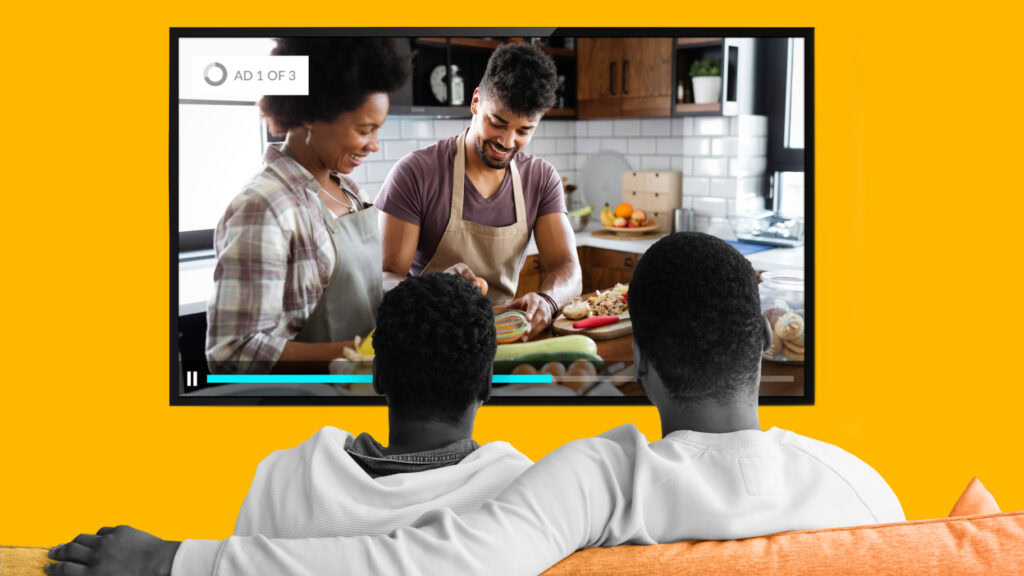
OTT advertising isn’t some distant trend; it’s the new baseline. As viewers abandon cable for streaming, marketers are right behind them, reallocating budgets to match shifting habits. In 2025, U.S. Connected TV (CTV) ad spend is projected to reach $33.35 billion, with OTT/CTV accounting for over 60% of total video ad investment.
But presence alone doesn’t win. Success in OTT demands premium inventory, digital-style targeting, and real-time optimization that turns impressions into measurable revenue. In this guide, we’ll break down what it takes to master OTT advertising in 2025, so your next campaign doesn’t just air, it delivers.
What is OTT Advertising?
OTT (over-the-top) advertising is the delivery of video ads over the internet on streaming services and connected devices, bypassing traditional cable and satellite TV.
What sets OTT apart is precision and accountability. OTT moves beyond the broad strokes of linear TV advertising with advanced targeting, real-time analytics, and measurable performance. In other words, it’s tailor-made for performance marketers who need data to drive informed decisions and proof that their ads are delivering results.
OTT vs Connected TV (CTV)
Think of OTT as the delivery system. It’s how streaming content travels across the internet. Connected TV is the destination: the internet-connected screens, usually smart TVs or streaming devices, where your ads actually play.
In practice, marketers often use “OTT” and “CTV” interchangeably, but when you’re building a media plan or evaluating measurement, it helps to be precise.
- Learn more about the differences between OTT and CTV.
OTT vs Video on Demand (VOD)
VOD is any content viewers can watch whenever they want, subscription-based, ad-supported, or somewhere in between. OTT, on the other hand, refers specifically to internet-delivered content. Most OTT ad impressions today happen in on-demand environments, so there’s a major overlap between OTT and VOD.
Benefits of OTT Advertising
OTT advertising doesn’t just get your message on screen. It puts it in front of the right audience, at the right moment, with the kind of performance metrics you can take to the C-suite.
Targeting That Actually Hits the Mark
In 2025, 57% of U.S. CTV users prefer OTT ads over traditional linear TV ads. OTT taps into real-time audience data, like interests, behaviors, and demographics, to deliver more relevant ads that feel like they were made for the viewer.
Viewer Engagement That Goes the Distance
OTT audiences are leaning in, not tuning out. CTV viewers are 3.8x more likely to recall ads compared to linear TV due to more relevant ad targeting and more intentional viewing.
Performance Data You Can Act On
No more post-campaign guesswork. OTT platforms offer clear, real-time visibility into what’s working, from impressions to conversions, so you can optimize mid-flight and show ROI that speaks for itself.
Incremental Reach You Can’t Get Anywhere Else
CTV reaches households that traditional TV misses. In 2025, 71% of U.S. CTV viewers are light or non-linear TV watchers, giving brands millions of incremental, high-value consumers that cable and broadcast simply don’t touch.
How Does OTT Advertising Work?
OTT advertising trades old-school TV advertising for smarter, more strategic moves. But, how does it work? What are the steps involved? Here’s a quick rundown:
1. Define Goals & KPIs
Decide what OTT should accomplish in your media mix and set clear, measurable KPIs (like reach, site visits, CPA, or ROAS) that tie directly back to your business goals.
2. Identify Your Audience
Define your ideal viewer using first-party data, lookalikes, and third-party segments, so you’re targeting the households most likely to visit, convert, and drive efficient performance.
3. Develop and Test OTT Creative
Concept and produce OTT-ready spots that align with your audience, objectives, and brand. Make sure your hook, message, and CTA are clear from the first few seconds.
4. Plan Inventory, Devices, and Ad Experiences
Choose the right mix of platforms, devices, formats, and frequency controls (plus brand safety and contextual guardrails), so your OTT campaigns show up where your best customers actually watch.
5. Launch and Optimize
Monitor key metrics like impressions, ROAS, and conversions in real time. Use that insight to adjust, and A/B test your creative, targeting, or spend while your campaign’s still running, not after it’s over.
Video on Demand Models
Not all streaming platforms operate the same way. Understanding their VOD models helps you plan where and how to buy OTT inventory.
Here are the four main types:
Subscription Video on Demand (SVOD)
SVOD platforms like Netflix and Disney+ run on paid subscriptions. Viewers get unlimited access to content by paying a monthly fee. While SVOD was once entirely ad-free, many now offer lower-priced, ad-supported tiers.
In fact, ad-supported plans now represent 46% of subscriptions across major streamers, opening the door for advertisers to reach premium audiences in a highly engaged environment.
Advertising Video on Demand (AVOD)
AVOD services such as Pluto TV, Tubi, and Freevee let viewers stream for free in exchange for watching ads. These platforms offer wide reach and cost-efficient access to engaged audiences who have opted in to a free, ad-supported streaming experience.
Transactional Video on Demand (TVOD)
TVOD platforms like Apple TV and Google Play follow a pay-per-view model, where users rent or buy specific shows and movies. While traditional ad space is limited, product placements and branded integrations within premium content can offer strategic exposure.
- Learn more about SVOD vs AVOD vs TVOD
Premium Video on Demand (PVOD)
PVOD provides early access to major releases for a premium fee. Similar to TVOD, direct advertising space is rare, but sponsorships or brand partnerships tied to big content drops can be impactful for brands with the right budget and strategy.
Types of OTT Ads
OTT advertising delivers a full toolbox of ad formats, each built for different goals and viewer moments. Each ad type offers a different level of engagement, and the right mix can drive stronger performance across your campaigns.
In-Video Ads
Pre-roll, mid-roll, and post-roll spots (skippable or non-skippable) are inserted directly into streaming content. In premium environments like Hulu and Peacock, non-skippable versions regularly exceed 95% completion rates, making them the backbone of most CTV campaigns.
Banner Ads
Static or animated banners are displayed above or below the video player. They keep your brand visible without breaking immersion. Generally, these ads are a low-friction way to build frequency and stay top-of-mind on AVOD platforms like Tubi and Pluto TV.
Overlay Ads
Semi-transparent, clickable graphics that appear on top of the video. Designed to grab attention quickly without feeling disruptive, they’re perfect for driving clicks and reinforcing CTAs in real time.
Companion Ads
Supporting visuals that run alongside the main video (think side panels or lower-thirds). They extend brand exposure during longer viewing sessions and pair especially well on devices like Roku and Fire TV.
Interactive and Shoppable Ads
These are engagement-first formats (polls, QR codes, product carousels, and “Add to Cart” overlays) that let viewers interact or buy without leaving the app. These routinely deliver higher engagement rates on platforms like Amazon Prime Video and YouTube CTV.
Pause Ads
Static or lightly animated creatives that appear the moment a viewer hits pause. Adopted by Netflix, Hulu, and others, they capitalize on high-attention pauses while keeping annoyance low.
Home Screen / Menu Placements
Sponsored tiles, rails, or hero units on a CTV device or app home screen (e.g., “featured show” or branded row), which are great for driving tune-in or upper-funnel awareness before a viewer even hits play.
Types of OTT Devices
OTT advertising isn’t confined to a single screen. Viewers stream across a range of devices, and your campaign needs to keep up. Here’s where your ads can make an impact:
- Smart TVs: Built-in streaming from brands like Samsung and LG makes smart TVs a top destination for high-impact, full-screen ads. This is the front line of Connected TV.
- Streaming Devices: Roku, Fire TV, Apple TV, and Chromecast turn any TV into a streaming machine. These plug-and-play devices open the door to wide-scale reach and highly engaged households.
- Gaming Consoles: PlayStation and Xbox aren’t just for gameplay. They’re major streaming gateways for younger audiences, giving brands a direct line to digital-first viewers.
- Mobile and Tablets: Perfect for streaming on the go, these devices allow for second-screen opportunities and expanded reach beyond the living room.
- Laptops and Desktops: Viewers still stream through browsers, especially during work hours. These devices offer additional flexibility and frequency for your OTT campaigns.
Best OTT Advertising Platforms
To reach today’s streaming audiences, you need to meet them where they watch. Here are some of the top OTT platforms making that possible:
Netflix
The streaming giant now offers an ad-supported tier, unlocking access to a massive, high-value audience. While inventory is still ramping up, its scale and prestige make it a powerful addition to your media mix. And its userbase is only expected to grow once its acquisition of Warner Bros. gets finalized.
- Learn more about Netflix advertising.
Disney+
One login, three powerhouse services: Disney+, Hulu, and ESPN+. This bundle gives marketers unmatched family, entertainment, and sports inventory in a single buy.
- Learn more about Disney+ Advertising and Hulu advertising.
Peacock
NBCUniversal’s streaming platform delivers a blend of free and premium content, including a robust lineup of series, movies, and live sports. It’s a smart option for brands aiming to associate with recognizable content and consistent viewership.
- Learn more about Peacock advertising.
Roku
More than just a device, Roku is a full-scale OTT platform with extensive first-party data and broad audience reach. Advertisers benefit from advanced targeting and access to a wide range of streaming channels, all in one place.
- Learn more about Roku advertising.
MNTN
MNTN Performance TV lets marketers reach premium CTV inventory across top streaming platforms through a single self-serve interface. With real-time reporting, automated optimization, and precise targeting built in, it turns streaming advertising into a performance channel that delivers on results.
OTT Metrics and Measurement
Instead of guessing at outcomes, marketers get real-time performance data that’s built to inform and optimize. Here are a few metrics to consider when doing OTT measurement:
- Ad Impressions: The number of times your ad is served. More impressions mean more chances to connect, but what counts is who sees them, and what they do next.
- Return on Ad Spend (ROAS): A clear view of your campaign’s efficiency. ROAS tells you exactly how much revenue you’re driving for every dollar spent.
- Cost per Completed View (CPCV): This metric shows what you’re paying for each full ad view. It’s one of the best indicators of whether your creative is landing with the right audience.
- Cost per Acquisition (CPA): The total cost to drive a conversion. Whether it’s a purchase, sign-up, or another key action, CPA shows you how efficiently your campaign delivers real results.
- Audience Reach: The percentage of your target audience who saw your ad at least once. It’s about getting in front of the right viewers, not just more viewers.
- Frequency: The average number of times each person sees your ad. Too low, and they might forget you. Too high, and they might wish they could.
OTT Marketing Best Practices
In a streaming-first world, showing up isn’t enough, and that’s why having the right OTT advertising strategies is critical. Here’s how to make your OTT campaigns work harder and smarter:
- Lead with Audience-First Targeting: Tap into first-party data, retargeting pools, and lookalike modeling to focus your spend on viewers who are most likely to take action.
- Add Contextual Relevance: Match your message to the moment. Serve fitness ads during workout videos or travel promos alongside adventure content to boost relevance and results.
- Use Automated Optimization: Let machine learning do the heavy lifting. With dynamic adjustments to bidding, creative, and targeting, your campaign stays optimized in real time.
- Apply Sequential Messaging: Don’t just drop a one-off ad. Guide your audience through a series of touchpoints, from awareness to conversion, within the same campaign framework.
- Track What Matters: Focus on performance metrics that move the needle. Site visits, conversions, and ROAS give you the clearest picture of what’s working.
How Much Does OTT Advertising Cost?
OTT advertising is built for flexibility. Unlike traditional TV, where you’re locked into broad, pricey buys, OTT lets you fine-tune your spend, adjust on the fly, and pay only for the audiences that matter.
Still, a few key factors shape the final OTT advertising cost:
- Audience Targeting: Precision costs more, but pays off. The more focused your targeting, the higher the CPM, but you’re also minimizing wasted impressions and maximizing efficiency.
- Ad Placement and Inventory Quality: Premium platforms and prime viewing slots come at a premium. High-quality inventory drives better engagement and stronger brand perception, but expect higher competition for those spots.
- Campaign Duration and Frequency: Running longer or showing ads more often will impact spend, but it also boosts brand recall. The key is finding the right balance for your goals.
- Creative Production: Great ads drive great results. High-performing creative often comes with a higher production price tag.
- Programmatic Bidding: OTT ad pricing adjusts in real time based on demand, competition, and seasonality. Programmatic platforms help you navigate these shifts and stay efficient.
MNTN Performance TV: The Ultimate OTT Platform
Looking to level up your OTT advertising? MNTN Performance TV puts your brand on the biggest screens in the best streaming environments, paired with audience targeting and performance insights built for marketers who need more than just reach.
Here’s how we do it:
- MNTN Matched: AI-powered audience targeting that finds your most valuable customers and helps you reach them with precision and scale.
- Flexible, Performance-Driven Budgets: Launch and manage campaigns on your schedule. Adjust in real time with no contracts, no guesswork, and full control.
- Verified Visits™ Attribution: Real-time performance tracking that shows you exactly which ads drive site visits, conversions, and ROAS—so you always know what’s working.
- Premium, Brand-Safe Inventory: Your ads run only on trusted, high-quality networks—so you get the brand impact of TV without the risk.
- Creative-as-a-Subscription™: Fresh, CTV-optimized creative included with your media buy. No extra production hassle. No added cost.
Power up your OTT strategy with MNTN’s self-serve software—sign up today to get started.
OTT Marketing Platforms: Final Thoughts
This guide just skims the surface of what’s possible with OTT marketing. If you’re looking to dive deeper or troubleshoot a specific challenge in your digital strategy, our team is here to help.
Whether you’ve got questions about campaign setup, targeting strategy, or how MNTN Performance TV fits into your marketing mix, we’re ready to talk.
Want a Closer Look?
Discover how Performance TV delivers revenue, conversions and more through the power of Connected TV. Request a demo today to speak to an expert.